Skip to content

Listen to an overview of the Retail Business Industry template.

Retail Business Indistry Template Brief
1:32
Portfolio

Retail Business Reusable Models

Mind Map Market Segment Image

Market Segment

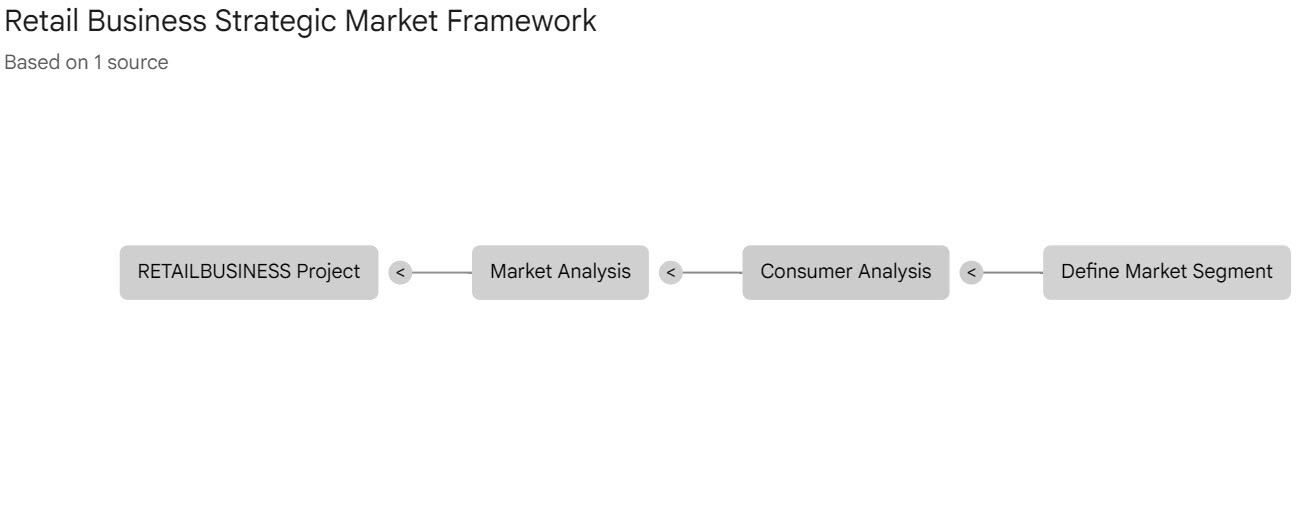
In the RETAILBUSINESS project, Define Market Segment is the core objective (1.1.1) that drives the broader Consumer Analysis goal.  While Consumer Analysis aims generally to identify demand and market attractiveness, "Defining Market Segments" provides the specific data-driven framework needed to categorize consumers and execute tailored marketing strategies.

Mind Map Market KPIs Image

KPIs

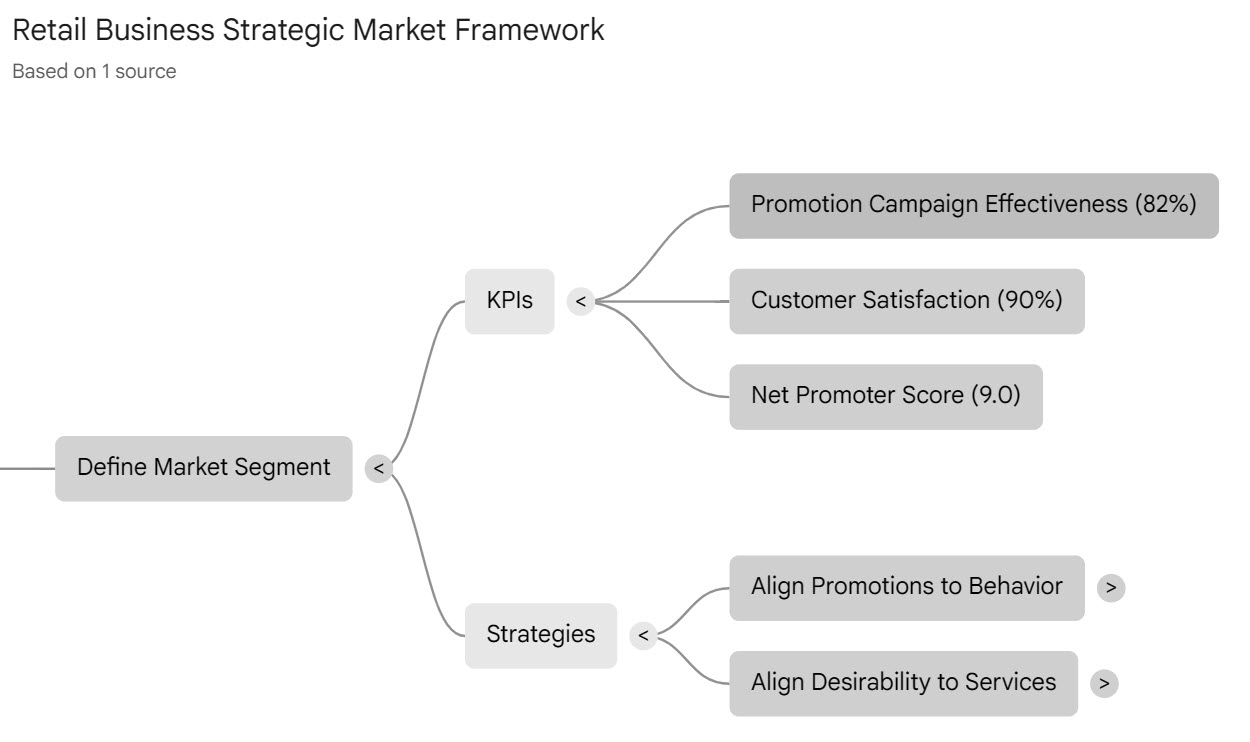
The objective (1.1.1) is to create segments based on industry, revenue, and specific requirements. The KPIs measure if this segmentation actually works in practice:
Validation of Market Understanding: Achieving a 90% satisfaction rate validates that the project has correctly identified segment-specific "product and service requirements".
Promotional Accuracy: The jump to 82% campaign effectiveness serves as proof that the business has successfully aligned its "product promotions to consumer behavior," particularly regarding how different segments reach purchasing decisions.
Strategic Loyalty: An NPS of 9.0 reflects success in the strategy of "aligning consumer desirability," which includes assessing consumer loyalty and the costs for a segment to switch to offered products
Mind Map Market Strategy Image

Strategy

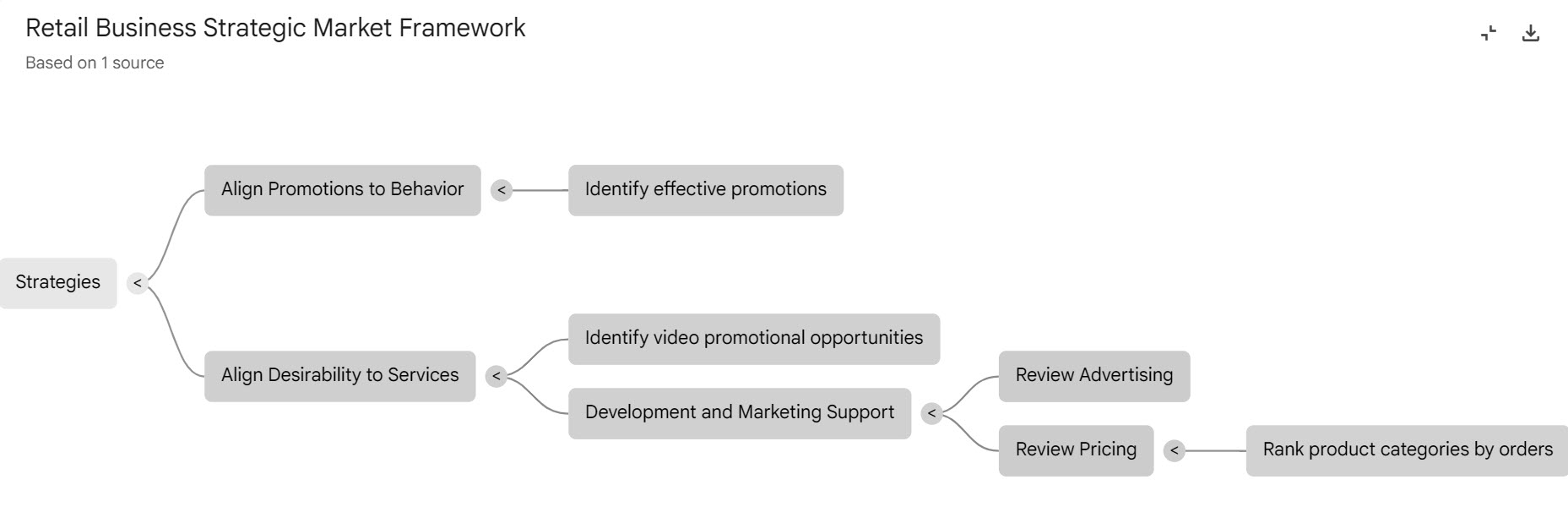
1. Aligning Product Promotions to Consumer Behavior
This strategy (1.1.1.3.1) focuses on the psychological and behavioral drivers of the consumer.
Purpose: To assist in marketing development by identifying exactly how consumers reach purchasing decisions.
Focus Areas: It evaluates the specific characteristics of consumers and analyzes the elasticity of sales in response to changes in price and various product/service combinations.
Operational Insight: To implement this strategy, the project uses data to identify which promotions are the most effective by tracking their frequency of use in the database.
2. Aligning Consumer Desirability to Product Related Services
This strategy (1.1.1.3.2) focuses on the economic and strategic health of a market segment to determine its long-term viability.
Evaluation Criteria: The strategy assesses segment size, growth potential, current market share, and consumer concentration.
Competitive Landscape: It analyzes consumer bargaining power, loyalty, and the "switching costs" associated with moving to the business's offered products.
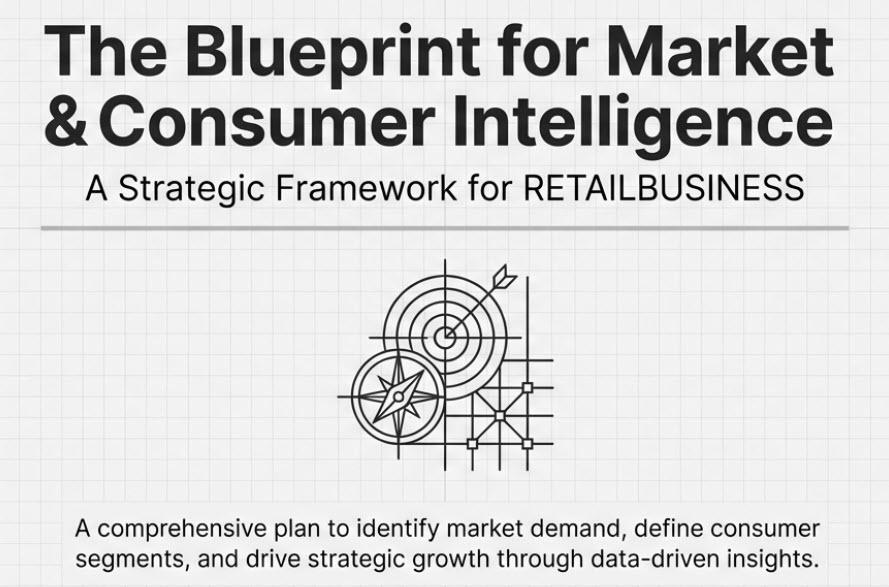
The Blueprint for Market & Consumer Intelligence

Retail Business Industry Template

Retailing, the selling of merchandise and certain services to consumers ordinarily involves selling goods or services to a large number of customers. However, today, retailers are pivoting to provide more payment offerings, fulfillment models, and ways to adapt to the demands of today’s new consumer. This template addresses retail purchases, seamless returns, personalized services, understanding buyer preferences, and consumer behavior.


Benefits of using industry project templates:

  • Project transparency - readily share and discuss your project
  • Recompose business models and reuse them.
  • Standardize common vocabularies, ontologies, and glossaries.
  • Catalog data relevant to your project goals and within the proper context.
  • Reuse industry template definitions across your future projects.

Templates enable you to level-set your project strategy - saving you time and money and drive your strategy to execution (i.e., increase revenue, streamline operations, launch a new product). Within a few seconds of establishing an account (free), you are able to take advantage of the following:
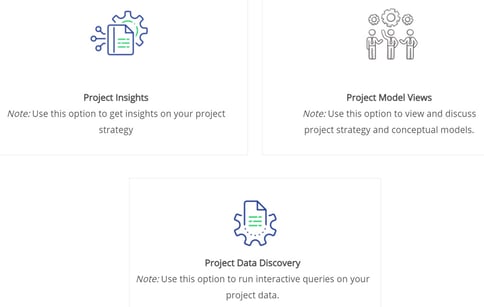
Travel and Entertainment Template Functions


You get a 360° view of your project

Enterprise Strategy and Knowledge Management

The image below is from the Enterprise Architecture Center of Excellence (EACOE)
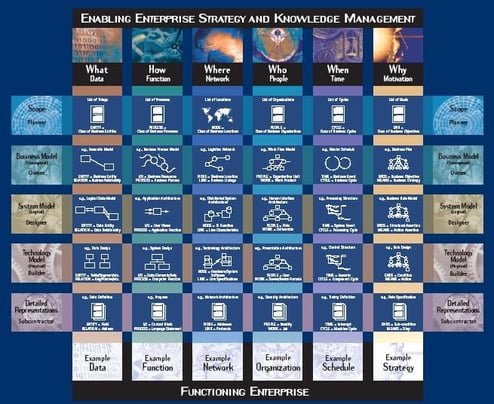
image2

The template comes with a 360° view of people, data, processes, and technology necessary for you to execute your strategy. By combining these assets and resources, you are better able to gain a competitive advantage and gaining insight into your strategy.

These insights are actionable in that they are linked directly to your project goals and objectives.

Examples of insights may include:

- Seeing which product categories generate the most revenue

- How shipping costs affect customer purchases

- Which promotions are the most effective


Sampling of Retail Business Digital Assets

Industry Templates

COVID Realignment

Human Trafficking

Global Supply Chain

Financial Services

Ecommerce

Manufacturing

Pharmaceuticals

Retail Business

Insurance

Government

Functional Templates

Assets

Market

Captial

Relationships

Capacity

Operations

Risk